
Description
Gabapentin 300mg: Your Starting Dose for Nerve Pain and Seizure Management
Gabapentin 300mg is a common starting dose of this versatile prescription medication. It is primarily used to treat nerve pain (neuropathic pain) and as an adjunctive therapy for partial seizures in adults and children aged 3 years and older . For more information on nerve pain treatment options, visit our website.
What is Gabapentin 300mg Used For?
Gabapentin is an antiepileptic medication that also effectively treats certain types of nerve pain. Its primary FDA-approved uses include:
1. Postherpetic Neuralgia (Nerve Pain)
Gabapentin is indicated for the management of postherpetic neuralgia in adults. This is the burning, stabbing pain that can persist for months or years after an episode of shingles . The 300mg dose is specifically used as a starting point in the recommended titration schedule for this condition.
2. Epilepsy (Partial Onset Seizures)
Gabapentin is indicated as adjunctive therapy in the treatment of partial onset seizures, with and without secondary generalization, in adults and pediatric patients 3 years and older with epilepsy . This means it is added to your current seizure medication when that treatment is not fully controlling your condition . In some cases, Gabapentin can also be used on its own to treat adults and children over 12 years of age .
How Gabapentin 300mg is Used in Treatment
The 300mg strength is a foundational dose used in titration schedules for both nerve pain and epilepsy.
Recommended Dosing Schedules
For Postherpetic Neuralgia:
In adults with postherpetic neuralgia, gabapentin is initiated using a specific titration schedule :
| Day | Dose |
|---|---|
| Day 1 | 300 mg once daily (single dose) |
| Day 2 | 600 mg/day (300 mg two times a day) |
| Day 3 | 900 mg/day (300 mg three times a day) |
| Titration | Dose can be titrated up as needed to a dose of 1,800 mg/day (600 mg three times a day) |
For Epilepsy (Partial Onset Seizures):
For patients 12 years of age and older, the starting dose is 300 mg three times a day . The recommended maintenance dose is 300 mg to 600 mg three times a day .
You can learn more about neuropathic pain management and medication titration from our resources.
Product Identification
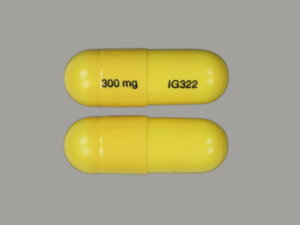
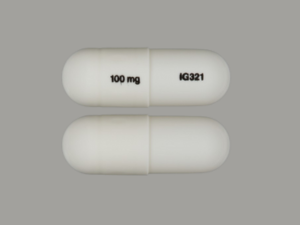
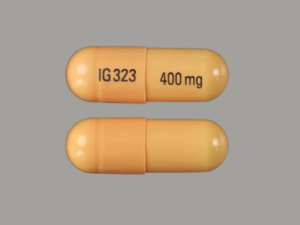
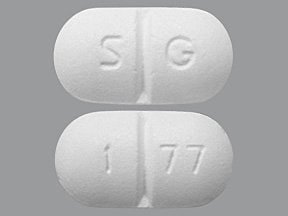
Gabapentin 300mg capsules are available in various appearances from different manufacturers. Common identifiers include:
| Imprint | Color | Shape | Manufacturer/Labeler |
|---|---|---|---|
| G 57 | White & Yellow | Capsule/Oblong (19mm) | Granules India Limited |
| AHD 300 | Yellow Opaque Body & Caramel Opaque Cap | Capsule | Strides Pharma Science Limited |
How to Take Gabapentin 300mg
-
Oral Administration: Take capsules by mouth with or without food .
-
Swallow Whole: Swallow capsules whole with plenty of water .
-
Consistency: Take at the same times each day to maintain steady blood levels.
-
Dosing Frequency: For epilepsy and neuropathic pain, gabapentin is typically taken three times a day .
-
Missed Dose: If you miss a dose, take it as soon as you remember. If it is close to the time of your next dose, skip the missed dose and take your next dose at the regular time. Do not take a double dose .
Important Safety Information
Boxed Warnings
Gabapentin carries important safety warnings:
-
Suicidal Behavior and Ideation: Antiepileptic drugs, including gabapentin, increase the risk of suicidal thoughts and behavior. Monitor for new or worsening depression, unusual changes in mood or behavior, or suicidal thoughts .
-
Respiratory Depression: Gabapentin has been associated with severe respiratory depression, especially when used with concomitant central nervous system (CNS) depressants, including opioids .
Contraindications (Do Not Use)
Do not take gabapentin if you are allergic (hypersensitive) to gabapentin or any of its ingredients .
Common Side Effects
Side effects may occur, particularly at the beginning of treatment. The most common adverse reactions (incidence ≥8% and at least twice that for placebo) are :
-
Postherpetic neuralgia: dizziness, somnolence, and peripheral edema.
-
Epilepsy (patients >12 years): somnolence, dizziness, ataxia, fatigue, and nystagmus.
Serious Side Effects (Seek Immediate Medical Attention)
Call your doctor right away if you experience any of the following symptoms:
-
Severe Skin Reactions: Skin rash, hives, itching, swelling of the lip and tongue, yellowing of the skin or eyes. These could be signs of a serious allergic reaction (DRESS), Stevens-Johnson syndrome, or toxic epidermal necrolysis .
-
Persistent Stomach Pain: Persistent stomach pain, feeling sick and being sick may be symptoms of acute pancreatitis .
-
Difficulty Breathing: Difficulty breathing, swelling of the lips, throat, and tongue, and hypotension requiring emergency treatment may be signs of anaphylaxis .
-
Suicidal Thoughts: Thoughts of harming or killing yourself .
Important Precautions
-
Do Not Stop Suddenly: If the gabapentin dose is reduced, discontinued, or substituted with an alternative medication, this should be done gradually over a minimum of 1 week . Abrupt withdrawal of anticonvulsants may precipitate seizures .
-
Concomitant Use with Opioids: Caution is advised when prescribing gabapentin with opioids due to risk of CNS depression. Co-prescription of opioids and gabapentin was associated with an increased risk for opioid-related death compared to opioid use alone .
-
Dizziness and Somnolence: Gabapentin treatment has been associated with dizziness and somnolence, which could increase the occurrence of accidental injury (fall) .
-
Driving and Operating Machinery: Gabapentin may impair the ability to drive or operate heavy machinery. Do not drive until you have gained sufficient experience to assess whether your ability to drive will be impaired .
-
Dependence and Withdrawal: Gabapentin can cause drug dependence, which may occur at therapeutic doses. Cases of abuse and misuse have been reported .
Frequently Asked Questions
What is gabapentin 300mg used for?
Gabapentin 300mg is a starting dose used to treat postherpetic neuralgia (nerve pain after shingles) and as an adjunctive therapy for partial onset seizures in adults and children aged 3 years and older .
How should I take gabapentin 300mg?
Take gabapentin exactly as your doctor has prescribed. Swallow the capsules whole with plenty of water, with or without food. The typical starting dose for nerve pain is 300 mg on Day 1, then titrated up. For epilepsy, the starting dose is 300 mg three times a day .
What are the common side effects of gabapentin?
Common side effects include dizziness, somnolence (drowsiness), ataxia (loss of coordination), and fatigue. These effects are often more pronounced at the start of treatment and may improve over time .
Can I stop taking gabapentin suddenly?
No, you should never stop taking gabapentin suddenly. If your doctor decides to stop your treatment, it should be done gradually over a minimum of 1 week to avoid the risk of seizures and withdrawal symptoms .
Is gabapentin safe during pregnancy or breastfeeding?
Gabapentin is Pregnancy Category C. It should only be used during pregnancy if the potential benefit justifies the potential risk to the fetus. Gabapentin passes into breast milk, and breastfeeding while using gabapentin is not recommended. Consult your doctor if you are pregnant, planning to become pregnant, or breastfeeding .
For authoritative information, visit:
Reviews
There are no reviews yet.