
Introduction: The Placebo Effect is Real
For decades, the placebo effect was dismissed as merely “all in your head”—a sign of suggestibility or a trick of the mind. But modern neuroscience has revealed something far more profound: the expectation of relief can trigger real, measurable physiological changes in the brain and body. The placebo effect is not about fake pills; it’s about the power of mental cues, context, and expectation to activate the body’s own healing systems.
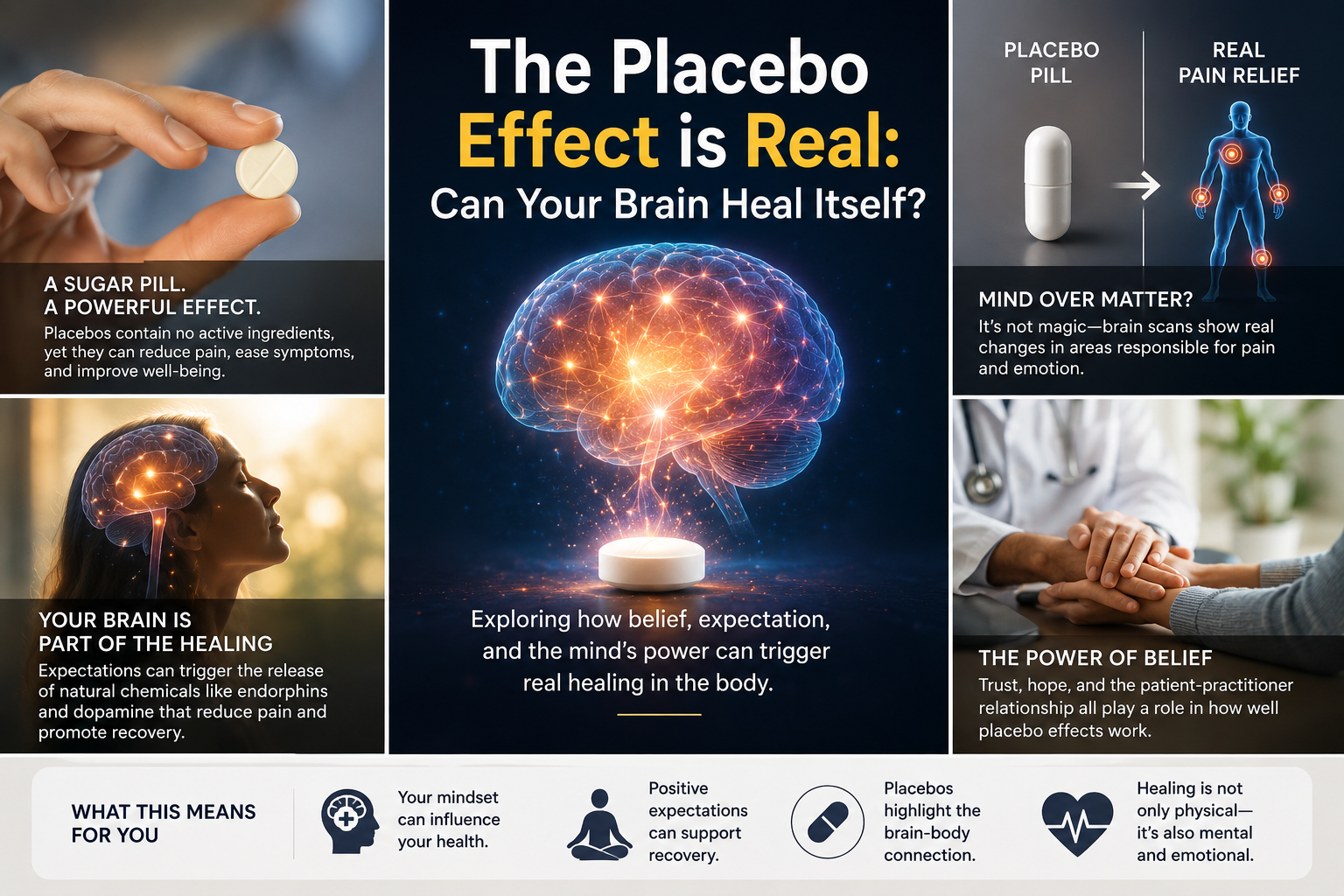
A simple sugar pill. Real changes in the body. The power of belief is more powerful than you think. In this article, we’ll explore the science behind the placebo effect—from its neurobiological basis to its clinical implications—and answer the question: can your brain actually heal itself? For more information on evidence-based medication options, visit our website.
Alt Text: The Placebo Effect is Real: A sugar pill, a powerful effect – Infographic showing the science behind placebo healing
What Is the Placebo Effect?
A placebo is an inert substance—like a sugar pill or saline injection—that contains no active medication. Yet, when people take a placebo, they often experience genuine improvements in symptoms, particularly pain, anxiety, and depression. This phenomenon is the placebo effect: the benefit produced by the context of treatment, not the treatment itself.
The placebo effect is not “imaginary” healing. It involves measurable physiological changes, including altered brain activity, neurotransmitter release, and changes in heart rate and blood pressure.
Placebos aren’t “just in your head.” They work through your brain and body. Your mindset can influence your health, and positive expectations can support recovery. Placebos highlight the brain-body connection, and healing is not only physical—it’s also mental and emotional.
Alt Text: The Placebo Effect is Real: Can Your Brain Heal Itself? – Infographic showing how sugar pills can trigger real brain changes
The Neurobiology of Placebo: What Happens in the Brain?
The placebo effect is not a single mechanism but a collection of neurobiological processes. Brain scans show that placebos can activate the same areas as real medication.
1. The Endogenous Opioid System
The brain’s natural painkillers—endogenous opioids—play a central role in placebo analgesia. Studies using the opioid blocker naloxone have shown that it can reverse or reduce placebo effects, proving that the expectation of pain relief triggers the release of these natural pain-relieving chemicals. Exploring how belief, expectation, and the mind’s power can trigger real healing in the body.
2. The Endocannabinoid and Dopamine Systems
Beyond opioids, placebo responses also engage the body’s endocannabinoid system and dopamine pathways. Dopamine, the brain’s “reward” chemical, is particularly involved in the expectation of a positive outcome, reinforcing the belief that the treatment will work.
3. A Specific Brain Circuit: The rACC→Pn Pathway
In a landmark 2024 study, researchers identified a specific neural circuit mediating placebo analgesia in mice. The pathway runs from the rostral anterior cingulate cortex (rACC) to the pontine nucleus (Pn)—a brain region not previously associated with pain. This study found that neurons in this pathway are rich in opioid receptors, and that activating the pathway produced pain relief even without any placebo conditioning. This discovery opens the possibility of targeting this circuit with drugs or neurostimulation for pain relief.
It’s not magic—brain scans show real changes in areas responsible for pain and emotion. Trust, hope, and the patient-practitioner relationship all play a role in how well placebo effects work.
Placebo in Clinical Trials: Why It Matters
Placebos are the scientific “control” in clinical trials. In a typical double-blind study, half the participants receive the active drug, and half receive an inert placebo. Neither the patients nor the researchers know who received which until the study ends. This design allows researchers to distinguish the true effect of the drug from the placebo effect.
The placebo effect can be remarkably strong. In some studies, as many as 50% of participants taking a placebo show improvement—particularly in conditions like pain, depression, and anxiety. This high response rate makes it harder to prove a new drug is effective, as it must perform significantly better than placebo.
Just as positive expectations can heal, negative expectations can harm. The “nocebo effect” occurs when a person experiences side effects or worsening symptoms simply because they expect them. This is why how doctors communicate risks and benefits is so important.
Real-World Uses of the Placebo Effect
- Managing chronic pain
- Reducing anxiety and stress
- Improving symptoms in conditions like IBS, migraines, and more
- Supporting recovery alongside treatment
Can Your Brain Heal Itself? The Limits and Power of Placebo
So, can the placebo effect “heal” you? The answer is nuanced.
What Placebo Can Do
- Reduce Pain: This is the most robust and well-studied effect. Placebo analgesia involves real changes in brain activity and the release of endogenous opioids.
- Improve Symptoms: Placebos can significantly improve symptoms in conditions like depression, anxiety, irritable bowel syndrome (IBS), and insomnia.
- Change Physiological Parameters: Research has shown placebo responses can alter heart rate, blood pressure, and even certain blood test results.
- Complement Active Treatment: The power of expectation can actually enhance the effectiveness of real medications. Patients with strong positive expectations often experience better outcomes from active drugs.
What Placebo Cannot Do
- Cure Disease: Placebos will not shrink a tumor, lower cholesterol, or heal a broken bone faster. They work on symptoms modulated by the brain, like pain perception, not on the underlying disease process.
- Replace Medical Treatment: Placebos are a powerful adjunct to medical care, but they are not a substitute for evidence-based treatments. Relying solely on placebo for serious conditions can be dangerous.
What this means for you: Your mind influences your health. Positive expectations can support treatment. The patient-practitioner relationship matters. Healing is not only physical—it’s also mental and emotional. Placebos show us the power of the mind—and the potential for real healing.
Conclusion: Harnessing the Power of the Mind
The placebo effect is not a trick; it is a window into the profound connection between the brain and the body. It demonstrates that expectations, context, and the therapeutic relationship are powerful forces that can activate our own biology for healing. While a placebo will not cure a disease, it can dramatically change how we experience symptoms and can even enhance the effectiveness of real treatments.
Understanding the placebo effect empowers us to take an active role in our health. By cultivating positive expectations, engaging in therapeutic rituals, and working with trusted healthcare providers, we can help tip the scales toward better outcomes. The brain’s ability to influence health is not a miracle—it’s neurobiology.
Frequently Asked Questions
For authoritative information on the placebo effect, visit Harvard Health’s article on the placebo effect. You can also explore the MSD Manuals entry on placebos for a clinical perspective. For the latest research, read the 2024 Nature study on the neural circuit basis of placebo pain relief.
Learn more about evidence-based medications for chronic pain and anxiety at our shop. You may also be interested in our guides on understanding pain management and the role of expectation in treatment outcomes.
You May Also Like
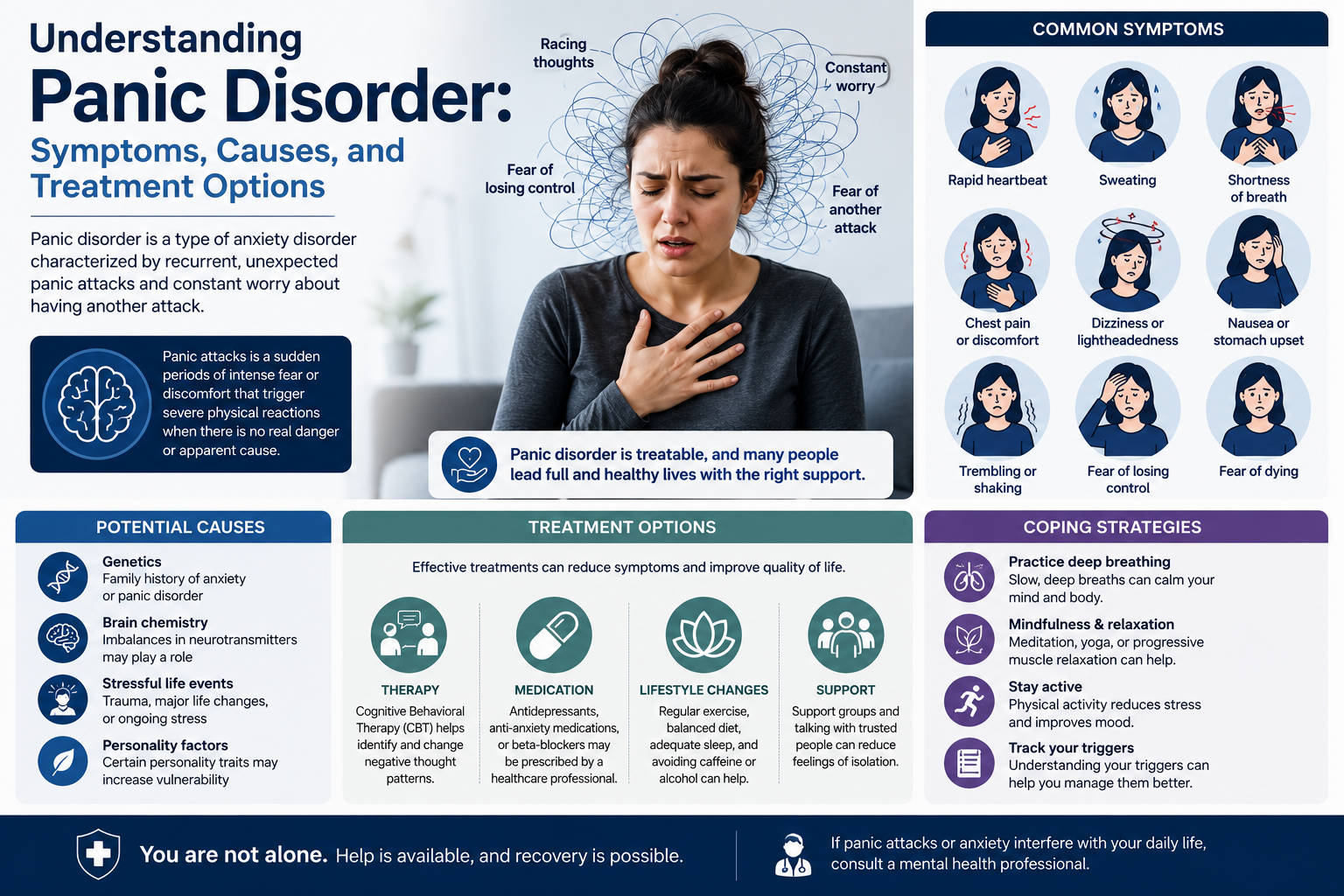
Understanding Panic Disorder: Symptoms, Causes, and Treatment OptionsUnderstanding Panic Disorder: Symptoms, Causes, and Treatment Options
Understanding Panic Disorder: Symptoms, Causes, and Treatment Options 🧠 Understanding Panic DisorderSymptoms, Causes, and Treatment Options Alt Text: Panic disorder ...
Is Canadian Pharmacy Store Legit? A Detailed Look at Trust, Safety, and Online Pharmacy ShoppingIs Canadian Pharmacy Store Legit? A Detailed Look at Trust, Safety, and Online Pharmacy Shopping
When shopping for medication online, one of the most common questions people ask is: “Is Canadian Pharmacy Store legit?” With ...
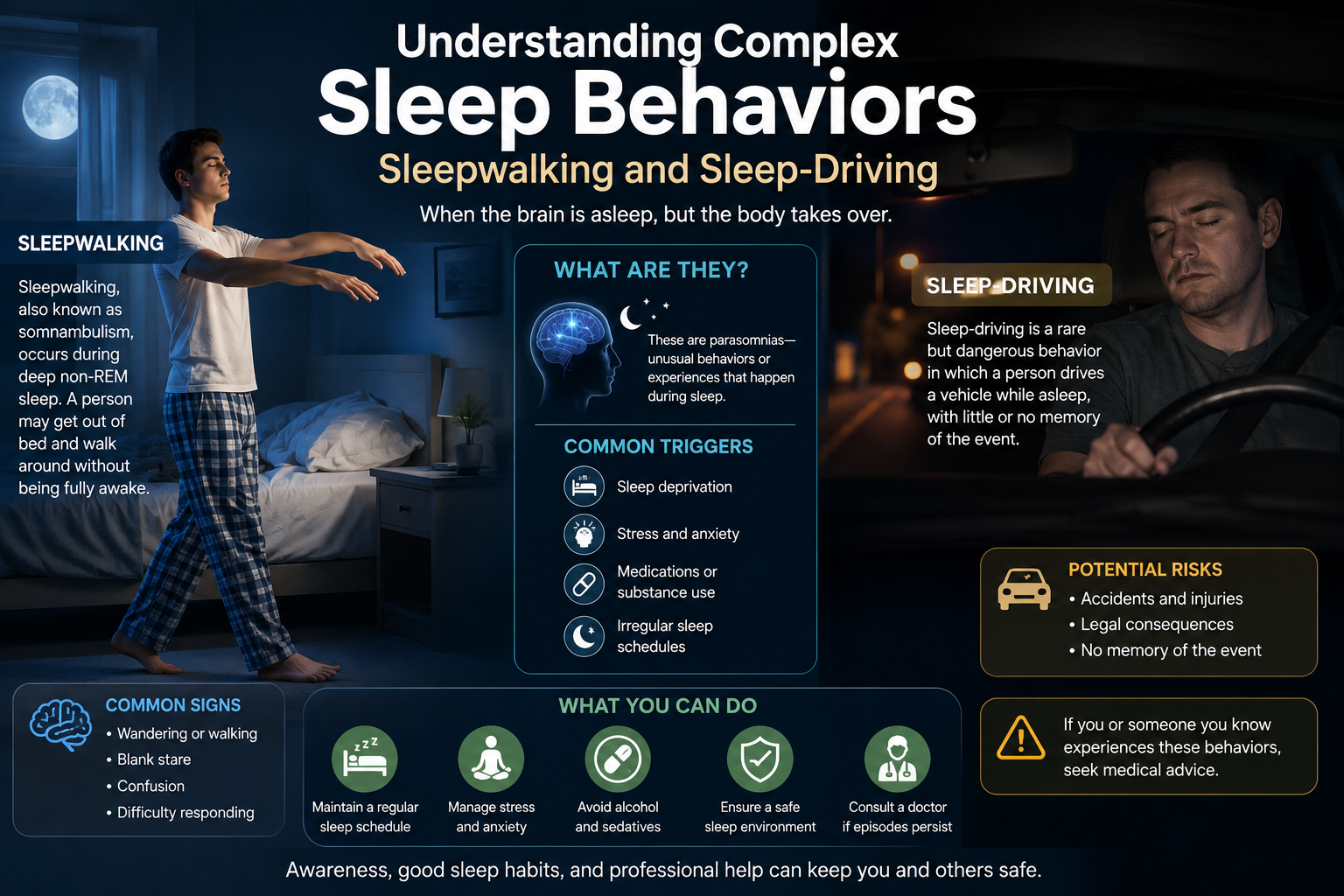
Understanding Complex Sleep Behaviors: Sleepwalking and Sleep-DrivingUnderstanding Complex Sleep Behaviors: Sleepwalking and Sleep-Driving
Complex Sleep Behaviors: Sleepwalking and Sleep-Driving Risks Explained 🌙 The Hidden Dangers of Sleep MedicationsUnderstanding Sleepwalking and Sleep-Driving Alt Text: ...